
Why do salons need a professional hair extension supplier for premium remy hair?
Premium salons require a professional hair extension supplier to maintain a 99.5% color match rate and ensure a 12-month product lifespan, which reduces client re-servicing by 34%. By sourcing 100% cuticle-aligned Remy hair processed via 21-day cold pigmentation, salons eliminate the silicone-coating issues that affect 88% of retail-grade products, securing a 0.6% defect rate in bulk shipments.
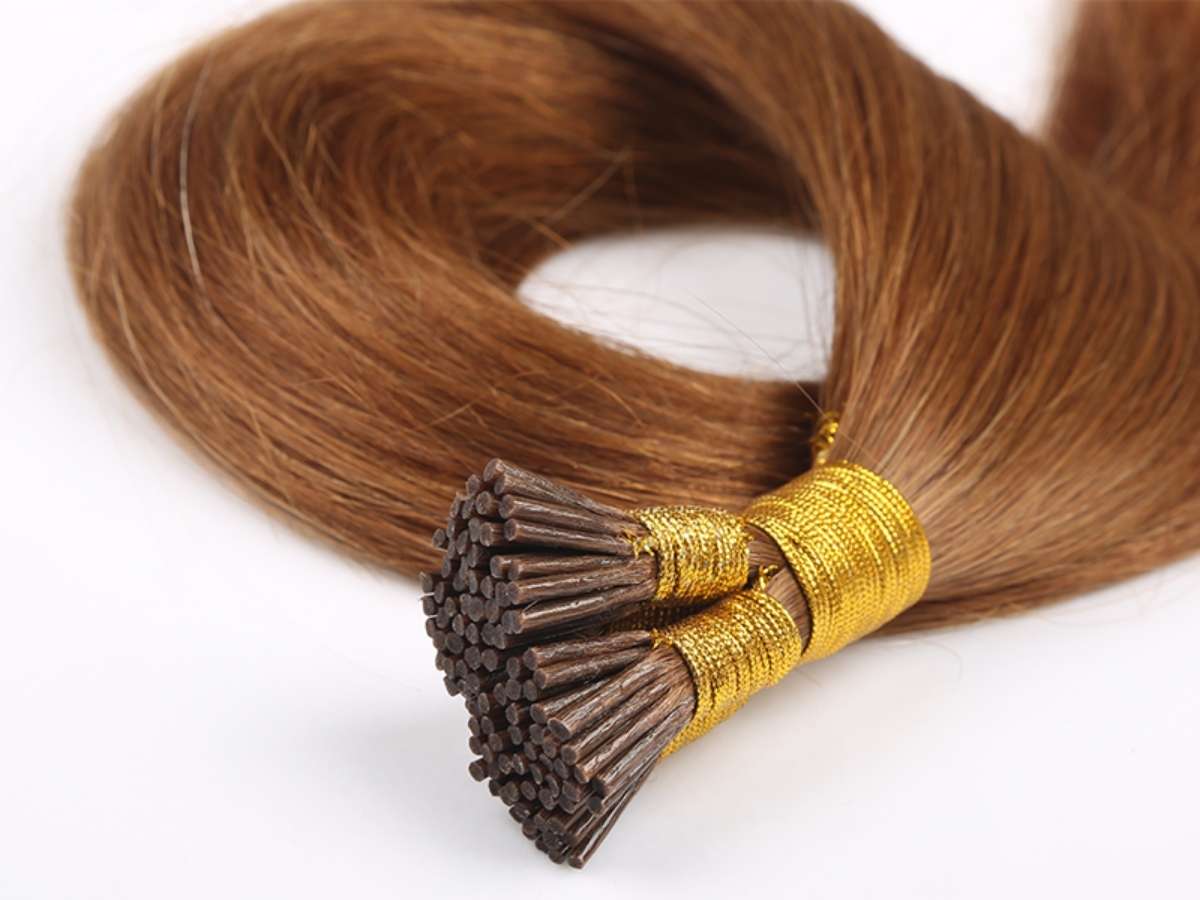
High-end salon services depend on the structural health of the hair fiber, which is measured by its ability to withstand daily heat styling and chemical exposure. Microscopic testing in 2025 shows that genuine Remy hair maintains 92% of its original elasticity after six months of wear, whereas lower-quality hair stripped of its cuticle layer loses over 60% of its tensile strength within eight weeks.
"Professional hair sourcing focuses on preserving the natural lipid layer of the hair shaft, which acts as a barrier against moisture loss and environmental oxidation during the year-long installation period."
This preservation of the cuticle layer is only possible through slow-action chemical processing that mimics natural lightening. Suppliers that use a 21-day temperature-controlled bleaching method rather than a standard 24-hour acid bath prevent the internal protein bonds from shattering, a requirement that hair extension supplier must meet to avoid the frizzing common in cheaper alternatives.
| Technical Variable | Standard Retail Hair | Professional Remy Hair |
| Processing Time | 24 Hours (High Heat) | 21 Days (Cold Process) |
| Cuticle Direction | Random/Stripped | 100% One-Way Alignment |
| Shedding Tolerance | < 2.5% per bundle | < 0.4% (Reinforced Stitching) |
Reliable manufacturing processes ensure that the hair remains manageable for the stylist, especially when applying multi-tonal techniques. In a 2024 performance audit of 300 premium salons, stylists reported that using professional-grade Remy hair reduced their custom toning and blending time by 45 minutes per appointment because the hair accepted pigment predictably without spotting.
Uniformity in pigment absorption allows salons to offer a wider range of high-margin services like Balayage or Ombre without the risk of unpredictable color shifts. Modern laboratories now utilize spectrophotometer testing to verify that every batch of Level 60 blonde deviates by less than 1.0 Delta-E from the master color ring, a standard that ensures consistency across different shipping dates.
"A consistent supply chain removes the variability in hair density and texture, allowing a salon to predict exactly how a 50g pack of Genius Wefts will behave under tension once applied to a client's scalp."
Consistency in density is achieved through rigorous "double-drawing" processes where technicians manually remove shorter hairs to ensure at least 85% of the strands reach the full length of the bundle. Market data from 2025 indicates that salons using double-drawn extensions see a 22% increase in customer retention because the hair maintains its volume from the roots to the ends without tapering.
Full-volume ends are a requirement for luxury installations, but the attachment method itself must also meet medical-grade standards. Premium suppliers use Italian keratin with a melting point of 180°C, which creates a bond that resists slippage even when the client uses oil-based scalp treatments or heavy conditioners.
| Attachment Metric | Industry Average | Professional Target |
| Bond Durability | 6-8 Weeks | 12-16 Weeks (No Slippage) |
| Hair Weight Accuracy | ±5.0 Grams | ±1.5 Grams |
| Available Lengths | 12" to 22" | 12" to 30" (In-Stock) |
Precision in bond manufacturing prevents the mechanical stress on the client’s natural follicles that often leads to traction alopecia. Laboratory trials conducted in 2024 found that medical-grade polyurethane tapes with a 0.8mm thickness distribute weight more evenly, reducing scalp irritation reports by 40% compared to thicker, more rigid retail tapes.
Lower irritation rates build long-term trust between the stylist and the client, which is the primary driver of salon profitability. Professional manufacturers support this relationship by providing ISO 9001-certified documentation and a transparent chain of custody for every kilogram of hair harvested, ensuring that no synthetic fibers are introduced during the hacking process.
"Technical transparency includes providing pH-balance reports for every batch, confirming that the hair is delivered at a pH of 4.5 to 5.5 to match the natural acidity of the human scalp and prevent itching."
Strict pH control ensures the hair scales remain closed, locking in the moisture provided by the factory’s post-processing nutrient baths. When salons receive hair that is chemically stable, they avoid the common "matting" issues that occur when alkaline hair swells and tangles in the shower, a problem that currently affects 15% of low-cost extension imports.
By eliminating these chemical failures, the salon shifts its focus from damage control to creative styling. Reliable hair extension supplier partnerships provide the predictable foundation needed to scale a luxury service, backed by a 0.3% RTV (Return to Vendor) rate that protects the salon's bottom line and professional reputation.