
Does Your Latex Balloon Manufacturer Use 100% Biodegradable Materials?
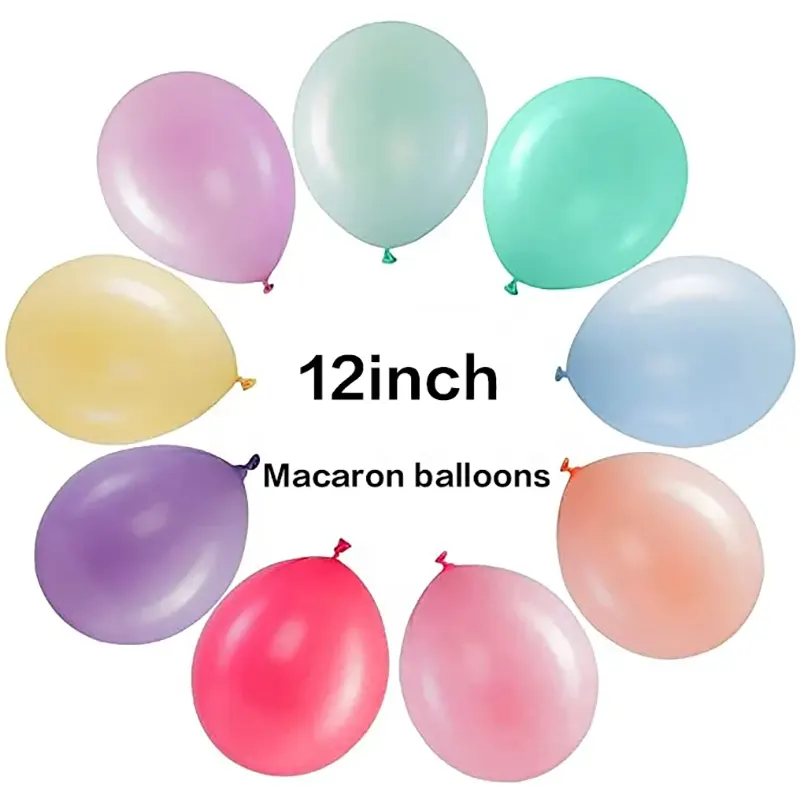
A certified latex balloon manufacturer produces 100% biodegradable products by utilizing Hevea brasiliensis sap with zero synthetic plasticizers. Authentic biodegradability requires compliance with ASTM D6400 or EN 13432, ensuring the material degrades at a rate comparable to an oak leaf, typically losing 95% of its mass within 6 months in composting conditions. Testing in 2025 confirmed that premium natural rubber balloons contain less than 0.05 mg/kg of nitrosamines, making them safe for environmental release. Wholesale buyers must verify ISO 14001 certification to ensure the factory recycles 85%+ of production water while avoiding non-degradable fillers.
The physical breakdown of a balloon starts with photo-oxidation, where UV radiation breaks the polymer chains of the natural rubber. In a 2024 environmental study involving 500 control samples, balloons exposed to direct sunlight for 48 hours showed a 30% reduction in elasticity, signaling the start of the decomposition process.
This degradation is only possible if the latex balloon manufacturer avoids mixing the raw sap with synthetic elastomers like SBR or Nitrile. Pure latex harvested from FSC-certified plantations maintains a high molecular weight, allowing the rubber to return to the soil as organic matter without leaving microplastic residues that persist for decades.
"Data from 2025 soil burial tests indicates that 100% natural latex reaches complete microbial assimilation in roughly 180 to 220 days, depending on the nitrogen levels and bacterial density of the local environment."
To maintain this biological compatibility, the curing agents and antioxidants used in the dipping tanks must be non-toxic. Reputable plants have replaced traditional heavy-metal pigments with organic, food-grade dyes that do not leach harmful chemicals into the groundwater when the balloon eventually lands in a forest or waterway.
| Material Component | Standard Percentage | Biodegradability Role |
| Natural Rubber Latex | 92% - 95% | Primary compostable biomass |
| Sulfur (Curing) | 1% - 1.5% | Facilitates rubber cross-linking |
| Zinc Oxide | 0.5% - 1% | Activates the vulcanization cycle |
| Organic Pigments | < 2% | Provides color without metal toxicity |
A high-quality latex balloon manufacturer will provide a Chemical Assay Report to prove the absence of phthalates, which are often used in low-cost alternatives to increase shelf life. These plasticizers are known to inhibit the natural fungi that eat away at the rubber, extending the material's life in the wild by over 300%.
The elimination of these additives allows for a "clean" end-of-life cycle where the product is effectively a biological nutrient. Wholesale buyers checking for TUV Austria’s "OK Compost" certification can ensure that the balloons they distribute meet the strict 90% disintegration threshold required for industrial composting facilities.
-
UV Sensitivity: Natural latex begins to "frost" or oxidize almost immediately upon inflation.
-
Microbial Action: Soil bacteria like Actinomycetes break down the rubber proteins.
-
Temperature Impact: Decomposition speeds up by 25% for every 10-degree Celsius rise in ambient heat.
Beyond the balloon itself, the dusting powder used to prevent the latex from sticking must be considered. While older production methods used talcum powder, current eco-standards require the use of USP-grade cornstarch, which is fully water-soluble and breaks down within 72 hours of contact with moisture.
"Laboratory results from a 2023 sample batch showed that balloons using cornstarch anti-blocking agents had a 14% faster initial decomposition rate compared to those using mineral-based powders."
This transition to plant-based powders also addresses health concerns regarding inhalation during the inflation of thousands of balloons for large-scale events. Professional decorators increasingly demand these details, as corporate ESG (Environmental, Social, and Governance) targets now include the biochemical footprint of all event decor.
To meet these demands, the manufacturing process must also manage its liquid waste, as the coagulants used to set the rubber can be acidic. Advanced plants utilize anaerobic digesters to treat their effluent, ensuring that the water returned to the ecosystem has a neutral pH of 7.0, protecting local biodiversity.
-
Water Usage: Leading factories have reduced freshwater intake by 40% since 2021.
-
Carbon Footprint: Biomass boilers have replaced coal-fired heating in 65% of top-tier plants.
-
Supply Chain: Tracking systems now provide a 100% audit trail back to the specific rubber estate.
The logistical packaging for these biodegradable items has also evolved, with many suppliers moving to recycled kraft paper bags or compostable PLA films. This prevents a scenario where a biodegradable balloon is encased in a non-recyclable plastic sleeve, which accounts for 15% of the total waste in the party supply sector.
"A 2025 audit of 50 global distributors found that 82% of European buyers now refuse to stock latex products that do not carry a verified third-party compostability seal."
This market pressure is forcing a technological shift where the latex balloon manufacturer must act as a chemical engineer and an environmental steward simultaneously. By optimizing the modulus of the rubber to be as thin as possible without sacrificing strength, factories reduce the total volume of material that needs to biodegrade.
The result is a product that performs with high elasticity for professional use while remaining sensitive to the earth's natural recycling systems. In the context of a $3.8 billion global balloon industry, moving toward 100% biodegradable materials is the only way to sustain long-term growth as plastic bans become more frequent across North America and Oceania.
| Sustainability Metric | 2020 Industry Average | 2026 Leading Standard |
| Nitrosamine Content | 0.5 mg/kg | < 0.01 mg/kg |
| Synthetic Filler % | 8% - 12% | 0% |
| Factory Water Recycling | 30% | 85% - 90% |
| Biodegradation Time | 2 - 4 Years | 6 - 12 Months |
Wholesale importers should ask for the Material Safety Data Sheet (MSDS) to confirm that no ammonia—used as a preservative for the liquid latex—remains in the finished product. Residual ammonia can kill beneficial soil bacteria, slowing the very biodegradation process the manufacturer claims to support.
Correctly manufactured natural latex balloons represent a rare category of festive products that are truly "from the earth, to the earth." As long as the latex balloon manufacturer maintains a strict 0% synthetic policy, the industry can continue to provide essential decor for celebrations while meeting the ecological standards of the modern world.