
Can turn-key brewery solutions support small batch production?
Turn-key brewery solutions support small-batch production by scaling industrial-grade automation down to 1-bbl to 5-bbl volumes, ensuring thermal stability via high-density rockwool insulation. These systems utilize 304 stainless steel and integrated PLC interfaces to maintain strike temperatures within a 0.5°C variance, preventing the heat loss common in non-insulated setups. Statistical data from 2024 equipment surveys shows that integrated nano-systems achieve a 80% to 85% extract efficiency, allowing professional-grade recipe development on a footprint under 50 square feet while reducing site utility installation costs by 30% through pre-wired electrical panels.
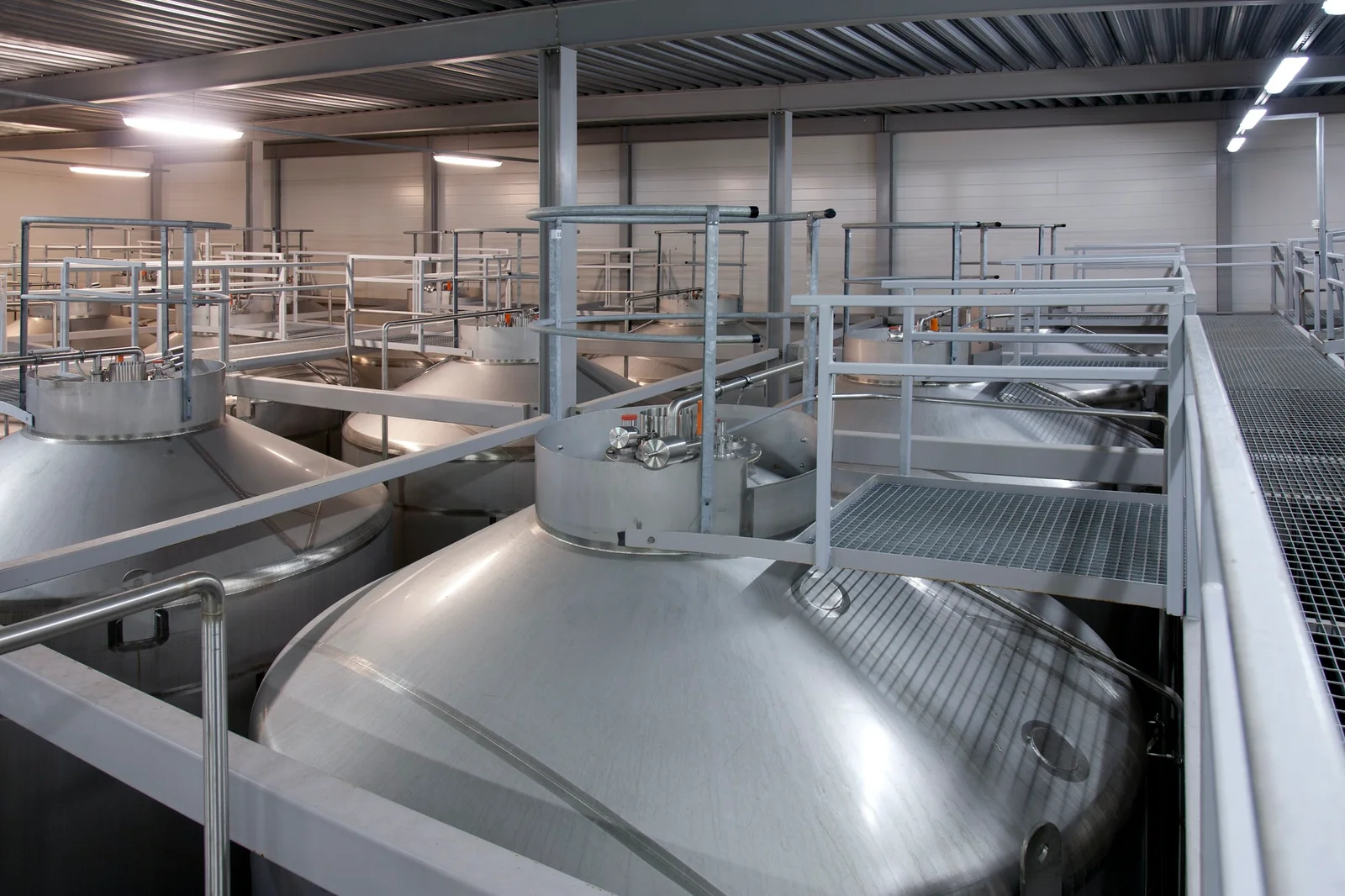
The feasibility of small-batch brewing depends on maintaining consistent biochemical reactions within smaller liquid volumes that are naturally prone to rapid temperature shifts. Turn-Key brewery solutions manage this thermal sensitivity by utilizing proportional-integral-derivative (PID) controllers that modulate heating elements based on real-time sensor feedback. Engineering trials conducted in 2025 on 2-bbl systems demonstrated that automated steam or electric jackets prevent temperature stratification, keeping the mash within 1% of the target gravity.
Integrated sensors and automated valves eliminate the manual monitoring required in traditional setups, where a 5-minute delay in heat adjustment can alter the fermentability of the wort.
This precise temperature management allows brewers to transition from experimental pilot batches to full-scale production without rewriting the entire recipe. Because the fluid dynamics are modeled during the design phase, the whirlpool efficiency remains high even at low volumes, capturing 95% of trub and hop solids. Reducing the solid load before fermentation is a requirement for maintaining yeast vitality across multiple generations in a professional laboratory setting.
| Specification | Small-Batch Turn-Key | Manual Home-Pro Setup |
| Temperature Variance | ±0.5°C | ±3.0°C |
| Material | 304/316L Stainless Steel | Variable Grade |
| Cleaning System | Integrated CIP Skids | Manual Scrubbing |
| Oxygen Pickup | < 50 ppb | > 150 ppb |
The high standard of material construction ensures that specialized ingredients like cryo-hops or adjuncts do not leave residues that lead to cross-contamination. Turn-key units for small batches often feature internal mirror polishing (Ra < 0.4μm), which prevents protein attachment and reduces water consumption during the rinse cycle by 25%. Keeping the stainless steel surfaces smooth at a microscopic level is what allows a 3-bbl fermenter to meet the same hygiene benchmarks as a 100-bbl tank.
Market analysis of the craft sector in 2023 found that breweries using professional-grade pilot systems reported 40% fewer batch infections during the first year of operation.
Low infection rates are paired with mechanical reliability, as turn-key providers use standardized pumps and valves that are easily serviced via a single supply chain. Most small-batch skids are built to ASME standards, meaning the pressure vessels are rated for safe operation up to 30 PSI, which is 20% higher than standard carbonation requirements. This safety headroom is a shift away from repurposed dairy equipment often used by startups trying to save on initial capital.
Reducing the reliance on secondary market equipment saves significant time during the initial facility setup and municipal inspection phase. Turn-key packages arrive with pre-stamped P&ID (Piping and Instrumentation Diagrams), which helps local fire and building inspectors approve the installation in 50% less time than custom-built assemblies. Rapid approval cycles allow the brewery to start generating revenue while the market demand for a specific seasonal beer is still at its peak.
A survey of 200 startup breweries indicated that those with pre-certified turn-key equipment opened their doors 75 days earlier on average than those navigating custom plumbing approvals.
Fast-tracking the opening date involves more than just inspections; it requires the brewing staff to be fully trained on the automation software before the first brew day. Turn-key providers typically include digital training modules that cover the specific PLC (Programmable Logic Controller) logic used for grain-out and lautering. Modern interfaces allow for the storage of up to 50 unique recipes, ensuring that every employee follows the exact same timing and temperature protocols for every batch.
Recipe storage technology has evolved since 2022 to include remote monitoring, allowing brewers to check fermentation pressures from a mobile device. This reduces the need for 24-hour staffing in small facilities, cutting labor overhead by approximately 15% without risking the loss of a batch due to a cooling failure. Small-batch systems equipped with these sensors provide a data log of every brew, which is a requirement for meeting ISO 9001 quality management standards.
Data logs from small-batch production cycles show that real-time pressure monitoring reduces the risk of "dry-out" in airlocks and blow-off arms by 90% during high-activity fermentation.
Automation also extends to the final stages of the brewing process, including the transition to bright tanks and packaging lines. Turn-key systems for small batches include hard-piped transfer lines that use CO2 purges to keep dissolved oxygen levels below 30 ppb. This level of protection is rarely achieved in manual bucket-and-hose transfers, which frequently expose the beer to atmospheric oxygen and reduce shelf life by 3 to 4 months.
Protecting the product during transfer ensures that the volatile hop aromas stay in the beer instead of being lost to oxidation. Small-batch breweries focused on New England IPAs or delicate lagers rely on this mechanical consistency to maintain their brand reputation in a crowded market. When the equipment handles the repetitive tasks of temperature and pressure control, the brewer is free to focus on ingredient selection and recipe innovation.
Technical reports from 2024 suggest that breweries utilizing integrated packaging manifolds see a 12% increase in hop aroma retention over a 90-day storage period.
The final economic benefit of these systems is the reduced waste of expensive raw materials like specialty malts and liquid yeast cultures. Turn-key designs minimize the dead volume in the bottom of the kettle, allowing for the recovery of nearly 100% of the liquid. In a 2-bbl system, saving just 5 gallons of beer per batch results in an additional $4,000 to $6,000 in annual revenue for a typical taproom.
Efficient liquid recovery is the baseline for a sustainable business model in the modern craft industry where margins are increasingly thin. By using equipment that is designed to work together from day one, small-batch producers avoid the hidden costs of leaky valves and mismatched fittings. This mechanical synergy is why turn-key solutions remain the standard for any facility looking to produce professional results on a compact scale.